


This past week, on January 16th, surrealist auteur David Lynch died of emphysema at the age of 78. Known for his confusing and dreamlike style, Lynch’s movies focus on the evils of humanity, and the love that overcomes them.
His stories are always hidden behind insane plotlines and indecipherable imagery, although once viewers at least try to understand what happens, they’re treated to some of the most heartfelt and beautiful emotion found on film.
In this article I’ll provide a ranking of all 10 of Lynch’s films, along with a brief analysis.
Without further ado, follow me on this lost road all the way to strange, and help me pay respects to one of the 20th century’s greatest artists.
#10: Dune (1984)

Well, nobody’s perfect. Lynch’s adaptation of Frank Herbert’s classic sci-fi is flawed, to say the least. There’s things to love, of course. Kyle MacLachlan and Francesca Annis give solid performances, and the special effects waver between decent and hilarious. Unfortunately, Dune suffers from a ridiculous pacing issue. Cramming half of the first book into 30 minutes doesn’t bode well, and surprisingly the movie even feels slow at times. The movie is one of Lynch’s funniest for how absurd some of the plot is, but definitely not one I would recommend heavily, unless you’re a Lynch aficionado.
#9: Inland Empire (2006)

I don’t even know how to talk about Inland Empire. David Lynch’s last movie is straight madness for 3 hours straight. Some good performances and amazing scares do little to hide the fact that the plot is nonexistent (or if it is, only Lynch himself knows what it is). If you’re feeling smart, it’s sure to knock you down a peg. Other than that, it really isn’t my favorite.
#8: The Straight Story (1999)

Ironically, this next film is the easiest to understand on the list by far. The Straight Story might seem very un-Lynch-like, but all of his core themes of humanity are there. It’s extremely sweet and beautifully acted. It would likely be higher on the list of a director that focused exclusively on films like The Straight Story, but people come to Lynch for the mind-melt, and there’s plenty of that to come.
#7: Eraserhead (1977)

Lynch’s debut is one of the most stylistically unique films ever made. Eraserhead deals with themes of fatherhood, albeit in a very unique way: through body horror, disgusting industrial landscapes, and sound design sure to melt your ears off. A lot of the strangeness here feels a bit weird just for the sake of being weird, not as focused as some of his later works, but meticulously tearing through the layers of insanity reveals a very personal work and the inspiration for some of Lynch’s best.
#6: Mulholland Drive (2001)

This might be a bit of a controversial take, but I don’t think Mulholland Drive is Lynch’s masterwork. It’s definitely incredible, due in no small part to the magnificent actresses Naomi Watts and Laura Harring, but I think the vibe of it gets a little lost in itself at times. The first couple of acts are great, but the third dissolves a little too much at the end. That being said, Mulholland Drive is still a beautiful tale. Some of his best scenes are found here, and even though the ending is extremely cryptic, it’s still impactful and a great starting point for wannabe Lynchians.
#5: The Elephant Man (1980)
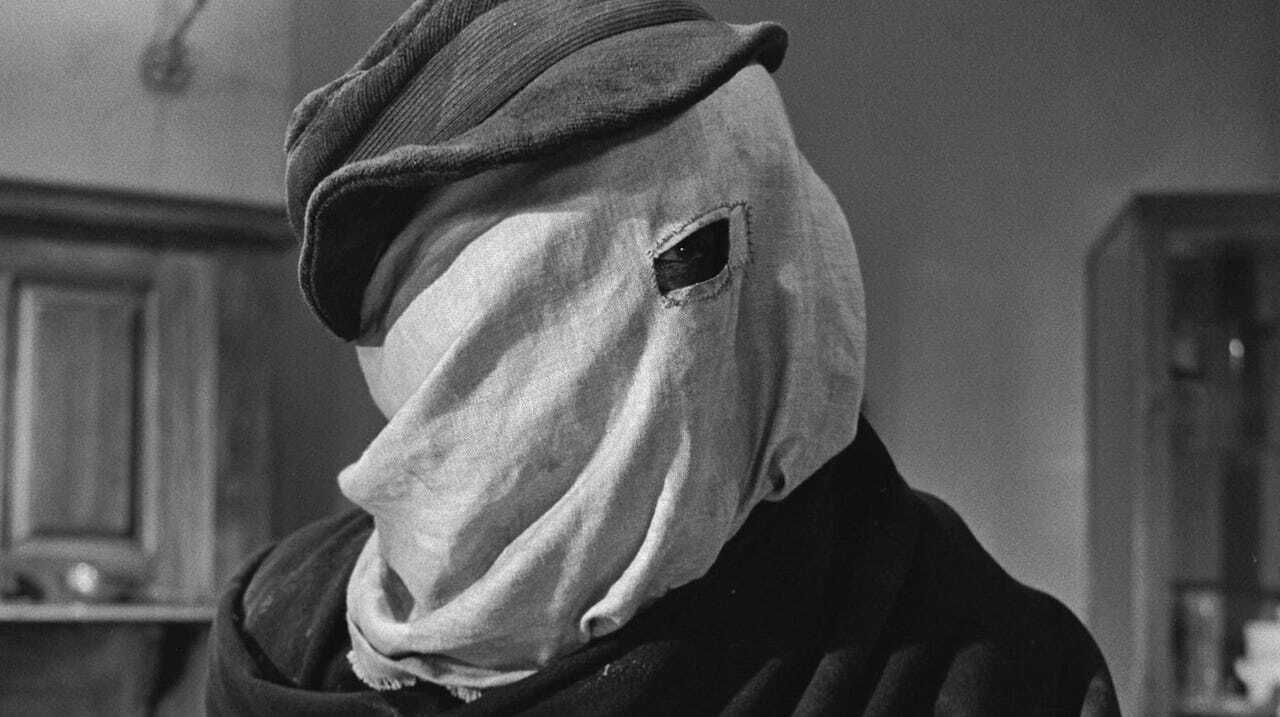
There are very few performances better than John Hurt’s as John Merrick in The Elephant Man. Such a beautiful and nuanced portrayal in a beautiful and nuanced movie. Without Lynch, it could easily fall into boring and standard biopic tropes, but he manages to make it one of the most heartwrenching stories put to the screen. While it is a little slow and not strange like some of Lynch’s other works, and none of the other performances even come close to Hurt, it’s nevertheless a magnificently emotional story.
#4: Lost Highway (1997)

Out of Lynch’s L.A. Trilogy (including Mulholland Drive and Inland Empire), easily the most straightforward (but still completely insane) of the three is Lost Highway. One of his most unique and layered stories filled with psychedelic imagery and disconcerting music has a so-ridiculous-it’s-brilliant plot twist about a third of the way through that keeps you guessing all the way through the end. Without knowing the explanation, it’s a stunning and beautiful mess. When you know the explanation, it’s one of his best tales to date.
#3: Wild at Heart (1990)

Wild at Heart is sure to have any casual Lynch fan scratching their heads and trying to remember it, but his adaptation of Barry Gifford’s pulpy crime/romance is the most madcap and exciting movie in his catalogue. Ridiculous comedy supported by brilliant performances from Nicolas Cage and Laura Dern (Willem Dafoe even shows up for a minute!) and a strangely sweet ending. Too bad it’s only available on DVD, but I would highly recommend it if you can find it.
#2: Twin Peaks: Fire Walk With Me (1992)

Easily Lynch’s scariest movie. Spinning off of the masterful Twin Peaks TV show (which he also created and is one of the best shows of the 90s), Fire Walk With Me is one of the most terrifying experiences in the entire world. Laura Palmer’s tragic life is sure to strike fear into any viewer. Sheryl Lee gives a better performance than even John Hurt, one that I haven’t been able to forget about for months. Unfortunately, the plot of a TV show and movie are on the line here, and I’ll be damned if I give away even an iota of its brilliance. Lynch’s rawest display of the human soul will be remembered as long as society is evil enough to understand it.
#1: Blue Velvet (1986)

The amount of respect I have for Blue Velvet is nearly incomparable. Toeing the line between surrealist madness and neo noir brilliance, Lynch’s fourth film cemented his reputation as one of the most innovative directors of the 20th century. What starts as a simple murder mystery turns into a twisted fable of perversion, evil, and pure humanity. It’s nearly impossible to talk about how perfect it is for fear of spoiling anything, but it’s truly one of the most haunting movies out there.
Rest in peace, David Lynch. May his art live forevermore, and always remember: stay strange.


